Navigating Bingo's Rich Vocabulary and Its Role in Game Variants and Digital Shifts

Bingo vocabulary forms a specialized language that has developed over decades across multiple regions and game formats, with terms like "eyes down" signaling the start of play and phrases such as "two little ducks" referring to the number 22 serving both practical and social functions during sessions. Observers note that this lexicon helps callers communicate quickly while building a shared sense of community among participants, and data from industry reports shows these expressions persist because they reduce confusion in fast-paced environments where numbers are announced rapidly.
Core Terminology and Its Historical Roots
Traditional bingo calls trace back to early 20th-century British and American halls where rhyming slang and visual associations emerged to aid memory and entertainment, with examples including "top of the shop" for 90 and "legs eleven" for the number 11. Researchers have documented how these phrases spread through printed guides and oral tradition, creating consistency that allowed players from different locations to participate without extensive explanation. Studies indicate the vocabulary also incorporates military and sporting references that reflect the eras when bingo gained popularity in social clubs and community centers.
Adaptations Across Major Game Variants
Vocabulary shifts noticeably between the main bingo formats, since 75-ball games common in North American settings rely on letter-number combinations like B-7 while 90-ball versions prevalent in European and Australian markets use straight number sequences up to 90. In 80-ball hybrids, callers blend elements from both systems, and evidence suggests this mixing helps retain interest among players who switch between styles. Those who track regional differences point out that certain slang terms carry over while others get localized, such as Australian sessions incorporating wildlife references that align with local culture, and figures from gaming associations reveal that variant-specific terminology influences how quickly new participants learn the rules.
Digital Platforms and Vocabulary Evolution
Online and mobile bingo applications have preserved much of the classic terminology while introducing automated voice features and text overlays that display calls in real time, which helps bridge gaps for users unfamiliar with spoken slang. Research from academic institutions shows that digital interfaces often retain phrases like "house" or "bingo" for wins yet add visual cues and sound effects that replace or supplement human callers. As platforms expanded in June 2026, several operators integrated multilingual options that translate traditional calls into additional languages without altering the core expressions, allowing broader accessibility while maintaining the original flavor of the game.
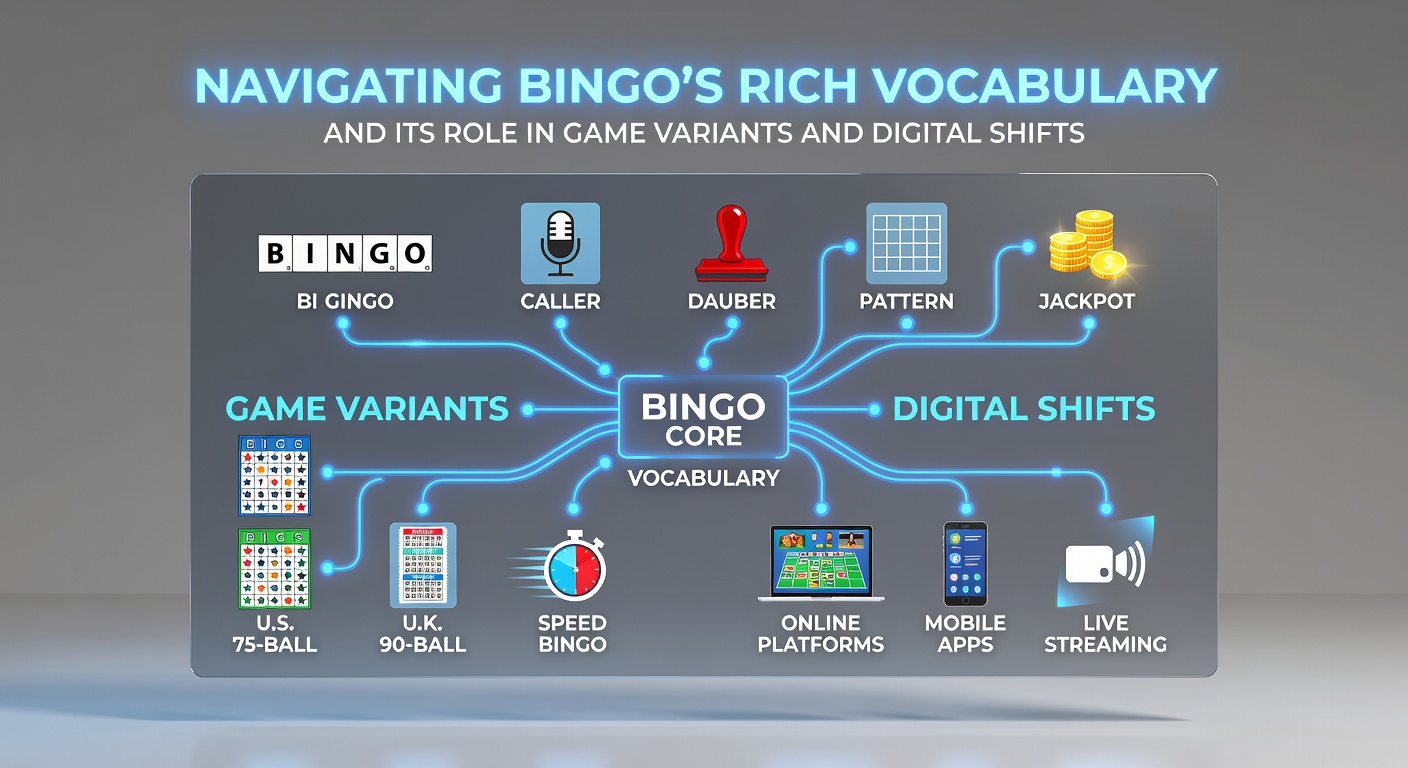
What's notable is how chat functions in these apps let players type abbreviated versions of familiar terms during live rooms, creating a hybrid language that mixes old slang with emojis and shorthand. According to data compiled by the American Gaming Association, participation in digital bingo has grown steadily because the vocabulary remains consistent across devices, reducing the learning curve for those transitioning from physical halls. In parallel, regulatory bodies in Australia have observed that standardized terminology helps ensure fair play reporting, since every call can be logged and verified through software systems.
Impact on Player Engagement and Learning
Players who master the vocabulary often report faster recognition during rounds, and case examples from community centers demonstrate that teaching sessions focused on common calls improve retention rates among newcomers. Observers have found that digital tutorials now embed these terms into interactive modules, where users practice identifying numbers through gamified exercises before joining real games. This approach aligns with findings from research institutions that link linguistic familiarity to sustained participation across both in-person and virtual formats.
Regional Variations and Future Trends
Differences appear when comparing North American, European, and Asian markets, where local adaptations of calls reflect linguistic preferences yet keep the numeric core intact. Data indicates that as digital tools connect international rooms, shared glossaries are emerging to reduce misunderstandings, and links to resources such as Gambling Research Australia provide updated glossaries for operators. Yet the fundamental expressions continue to serve their original purpose of speeding up play and adding enjoyment, regardless of whether sessions occur in a hall or through an app.
Conclusion
Bingo's vocabulary continues to anchor the game across physical variants and digital environments by providing efficient communication and cultural continuity, with ongoing adaptations ensuring relevance as technology advances. Those studying these patterns note that the language evolves alongside new formats without losing its foundational elements, supporting engagement in diverse settings worldwide.